



The best neighborhoods for retirees in Lehigh Valley are not necessarily the places at the top of a generic online ranking. The right neighborhood is the one that makes your ordinary Tuesday feel exactly the way you hoped retirement would feel.
Maybe you picture walking to dinner, attending concerts, and meeting friends downtown. Perhaps you want a quiet backyard, a first-floor bedroom, and enough space for the grandchildren. Or you may be ready to leave yardwork and exterior maintenance behind completely.
There is no single correct version of retirement. There is only the version that fits you.
I’m Tim Tepes, and I have helped people buy, sell, relocate, and invest throughout the Lehigh Valley since 1990. With more than 36 years of local real estate experience and over 2,000 successful transactions, I understand that choosing a retirement home is about more than bedrooms, bathrooms, and square footage. It is about protecting your freedom, simplifying your life, and creating a home that supports the years ahead.
A retirement-friendly neighborhood should make daily life easier while giving you room to enjoy the people, interests, and experiences that matter most.
That sounds obvious, but many buyers begin with the wrong question. They ask, “Which town is best?” before asking, “How do I want to live?”
Before comparing neighborhoods, think about these practical priorities:
- Home design: Would first-floor living make life easier?
- Maintenance: How much yardwork and exterior upkeep do you want?
- Healthcare: How close would you like to be to doctors, urgent care, and a hospital?
- Transportation: Will you continue driving, or do you want walkable amenities?
- Social connection: Do you prefer community activities, downtown events, or privacy?
- Family access: How important is proximity to children and grandchildren?
- Monthly costs: What will taxes, utilities, insurance, and association fees total?
- Long-term flexibility: Could the home still work for you in ten or fifteen years?
The Lehigh Valley provides a broad mix of urban centers, historic boroughs, suburban neighborhoods, active-adult developments, parks, restaurants, cultural attractions, and medical facilities. The region’s three principal cities, Allentown, Bethlehem, and Easton, are surrounded by smaller communities that offer distinctly different lifestyles.
Key takeaway: The best retirement destination is not simply a location. It is a match between your home, routine, finances, and future needs.
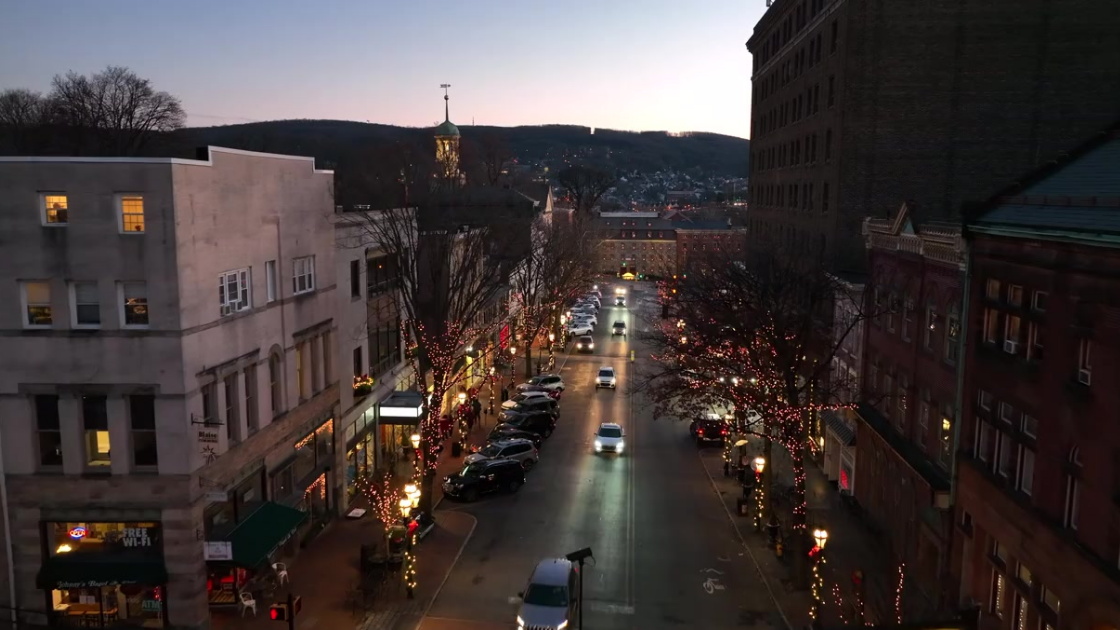
Bethlehem is one of the strongest choices for retirees who want cultural attractions, historic character, restaurants, festivals, parks, and a more active daily routine.
Historic Bethlehem gives residents access to shops, dining, museums, and community events within a relatively compact area. SouthSide Bethlehem offers a different energy, with arts, entertainment, restaurants, and venues near SteelStacks.
Would you enjoy meeting a friend for lunch without turning the outing into an all-day trip? Do you want concerts, festivals, and seasonal events close to home? Bethlehem may offer the combination you are looking for.
Housing choices vary by neighborhood. Buyers may find historic homes, traditional single-family properties, townhomes, condominiums, and smaller residences that can suit a downsizing plan. However, older properties may come with stairs, narrower layouts, limited parking, or additional maintenance. A charming home is only a good retirement home when its design supports your lifestyle.
Healthcare access is another important consideration. Lehigh Valley Hospital–Muhlenberg operates in Bethlehem, and LVHN also has health centers and primary-care services across the area.
Bethlehem may be right for you when you want:
- Historic architecture and local character
- Arts, festivals, and entertainment
- Restaurants and community events
- Greater walkability in selected areas
- Several housing types
- Convenient healthcare access
The trade-off is activity. Some areas experience heavier traffic, event crowds, parking constraints, and the realities of owning an older home. Those issues may feel minor if you value energy and culture, but significant if peace and low maintenance are your priorities.
Easton appeals to retirees who want a lively downtown, community events, restaurants, arts, and riverfront character in a compact city setting.
Downtown Easton feels social. The Easton Farmers’ Market, Centre Square, local restaurants, festivals, and nearby cultural attractions create opportunities to stay involved without traveling far.
This can be particularly attractive after leaving the workforce. Retirement often removes the built-in social rhythm that a job provides. Living near community spaces can make it easier to form new routines and remain connected.
Easton also offers access to healthcare facilities, including Lehigh Valley Hospital–Hecktown Oaks and nearby primary-care services.
Housing near downtown may include historic homes, apartments, condominiums, and renovated properties. Outside the center, buyers can find more conventional residential neighborhoods. Each option creates a different experience, so it is important to evaluate parking, steps, noise, outdoor space, and the distance to daily necessities.
Easton may be a strong fit when you value:
- A vibrant downtown atmosphere
- Farmers’ markets and local events
- Restaurants and cultural activities
- Riverfront surroundings
- A stronger sense of neighborhood activity
Spend time in the area during both weekdays and weekends. A community can feel completely different on a quiet morning, during rush hour, or when a major event fills the streets.

Hellertown can be an excellent choice for retirees who prefer small-town surroundings while remaining close to Bethlehem’s healthcare, dining, and entertainment.
For some buyers, retirement does not mean seeking more activity. It means creating breathing room.
Hellertown provides a traditional borough setting with local businesses, residential streets, and access to the Saucon Rail Trail. Its location allows residents to enjoy a quieter home base while remaining within practical reach of Bethlehem and the broader Lehigh Valley.
The housing stock includes traditional single-family homes, townhouses, and properties of varying ages. As with Bethlehem and Easton, the age and layout of a home matter. A smaller house does not automatically mean easier living if the laundry is in the basement or every bedroom is upstairs.
Hellertown may appeal to you when you want:
- A smaller-community atmosphere
- Access to trails and outdoor recreation
- Proximity to Bethlehem without downtown activity
- Traditional residential neighborhoods
- Convenient regional road access
The emotional benefit is simple. You can slow down without feeling disconnected.
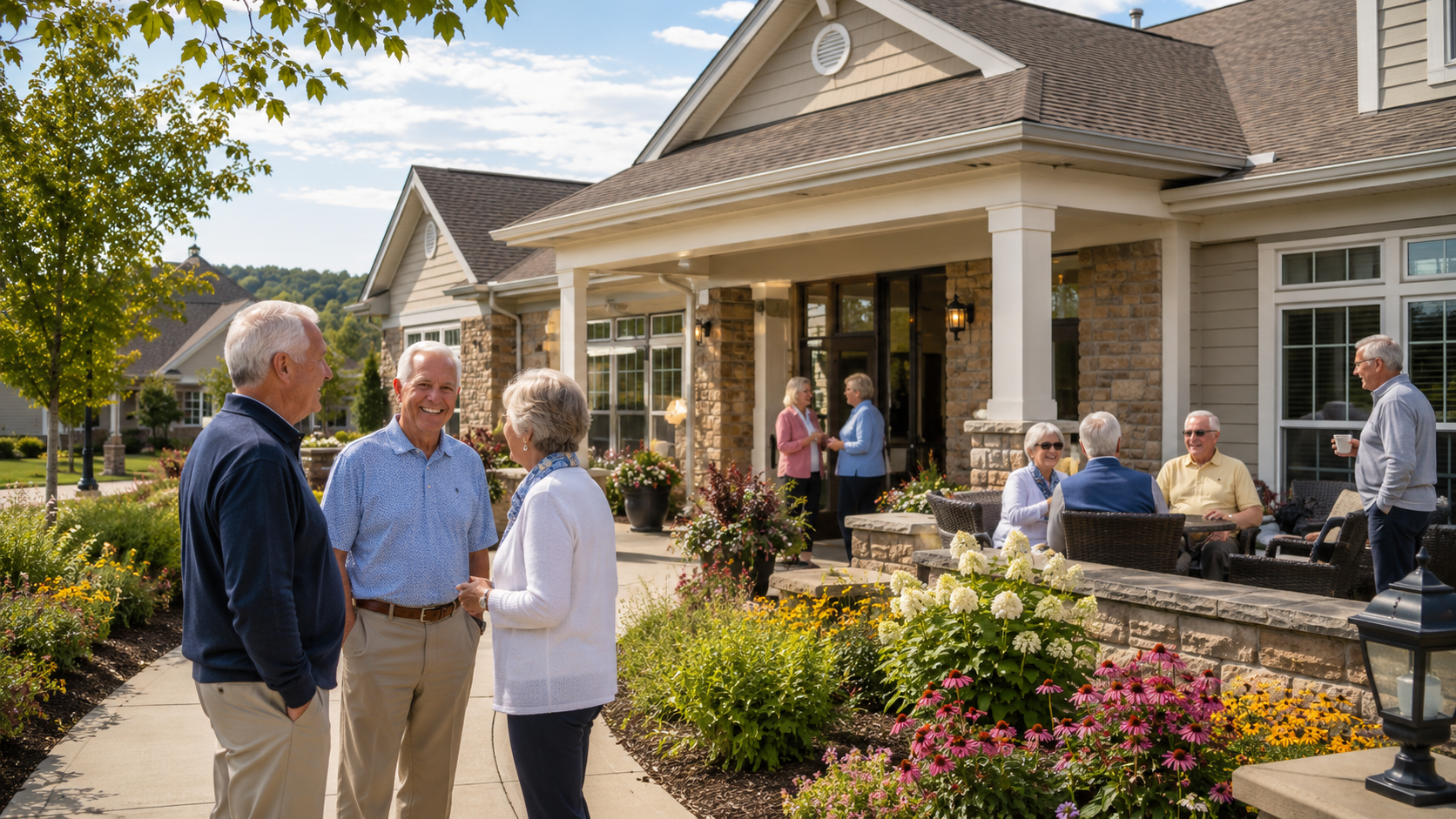
Emmaus and Macungie are attractive options for retirees who want suburban comfort, parks, established neighborhoods, and convenient access to daily services.
These communities can feel familiar to someone leaving a larger suburban home but not wanting an urban environment. You may still have a yard, garage, guest room, and quiet street, but potentially in a more manageable property.
Emmaus has a traditional borough center and community identity. Macungie and the surrounding area provide a range of residential developments, townhomes, single-family homes, and age-targeted housing options.
These locations can work especially well for retirees who:
- Plan to continue driving
- Want grocery stores and services nearby
- Prefer residential streets over downtown activity
- Need space for visiting family
- Want townhome or one-level living options
- Enjoy parks and community recreation
Here is the belief worth leaving behind: downsizing does not always mean choosing the smallest home possible.
A successful downsizing move removes space you no longer use while protecting the space that improves your life. A guest room may matter. A workshop may matter. Storage may matter. The goal is not deprivation. The goal is freedom from unnecessary expense and upkeep.
South Whitehall and Dorneyville deserve consideration when healthcare, shopping, parks, and convenient road access are high priorities.
This part of the Lehigh Valley can provide an appealing balance. Residents can live in an established suburban environment while staying close to major services, medical facilities, shopping, and recreation.
Lehigh Valley Hospital–Cedar Crest, LVHN’s flagship hospital, is located on South Cedar Crest Boulevard in Allentown. The health network also operates facilities and physician practices throughout the surrounding area.
That proximity can provide peace of mind, especially for retirees managing ongoing medical care or planning for long-term convenience.
Housing varies considerably. You may encounter older ranch homes, larger detached properties, townhomes, condominiums, and residences in communities with homeowner associations. Rather than assuming one property type is best, compare the total responsibility attached to each home.
Ask:
- Who maintains the roof and exterior?
- How much landscaping is required?
- Are there stairs at the entrance?
- Is the laundry on the main floor?
- How far is the grocery store?
- What are the annual taxes?
- Are there association assessments?
- Could you comfortably live there without driving every day?
A beautiful house can become a burden when it demands more time, money, or physical effort than you want to give it.

A 55-plus community can offer lower-maintenance living and built-in social opportunities, but it is not automatically better than a traditional neighborhood.
The appeal is easy to understand. Many active-adult communities provide exterior maintenance, organized activities, clubhouses, walking paths, and amenities designed around a mature population.
For the right person, that can create an immediate sense of belonging.
Yet every community has its own fees, rules, services, and ownership responsibilities. Before buying, review:
- Monthly association fees
- What the fees actually cover
- Exterior maintenance responsibilities
- Age and occupancy restrictions
- Pet, parking, and guest policies
- Clubhouse and amenity access
- Reserve funding and possible assessments
- Resale requirements
- Property tax obligations
- Home accessibility
A traditional neighborhood may provide more freedom, a broader range of ages, and fewer association rules. A 55-plus development may offer social connection and simplified maintenance. Neither is universally superior.
The right question is, which environment will make you feel more comfortable, independent, and at home?
Compare retirement homes according to how they will function over time, not only how attractive they appear during a showing.
A dramatic kitchen may catch your attention. A practical floor plan will improve your life every day.
Use this eight-step downsizing checklist:
- Prioritize first-floor essentials. A bedroom, full bathroom, kitchen, and laundry on one level can provide long-term flexibility.
- Count every step. Look at the entrance, garage, basement, patio, and route from the car to the kitchen.
- Calculate total housing costs. Include the mortgage, taxes, insurance, utilities, association fees, and expected maintenance.
- Test the daily drive. Visit the grocery store, pharmacy, doctors, hospital, family, and favorite activities.
- Measure storage honestly. Decide what you will keep before choosing a home with too little space.
- Evaluate maintenance. Consider the roof, siding, yard, driveway, heating system, and age of major components.
- Visit more than once. Return at different times to understand traffic, lighting, noise, parking, and neighborhood activity.
- Think beyond move-in day. Ask whether the home could continue supporting your independence in the future.
Bold takeaway: Buy for the life you plan to live, not the possessions you feel obligated to store.
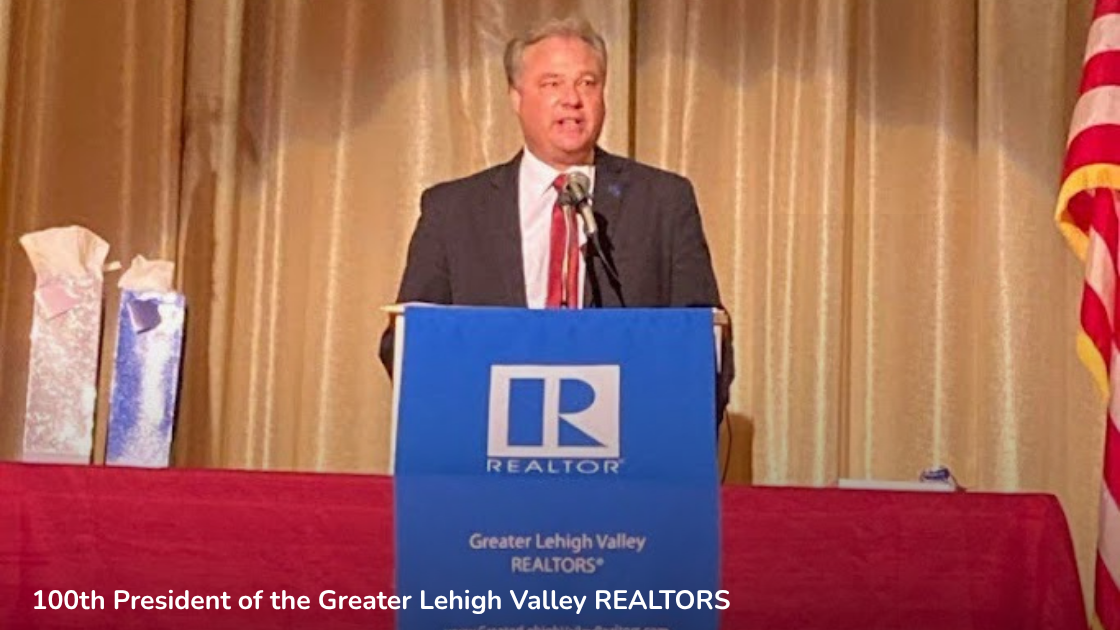
I help you compare the complete lifestyle attached to each property, not merely the listing details.
An online search can show you available homes. It cannot fully understand why being fifteen minutes from your grandchildren matters, whether you will miss your workshop, or how much relief you might feel when someone else handles the landscaping.
Those personal details often determine whether a move feels right six months after closing.
My experience includes residential, luxury, land, and investment real estate throughout the Lehigh Valley. My background also combines construction knowledge, negotiation experience, and decades of working across different market conditions.
I also use modern technology to make the search and communication process more efficient. Technology helps organize information and expand access to suitable properties, but it does not replace personal judgment. My role is to interpret the details, identify concerns, negotiate effectively, and help you make a confident decision.
You deserve more than a list of homes.
You deserve a clear plan for your next chapter.
The best places to retire in the Lehigh Valley include lively downtown areas, peaceful boroughs, convenient suburbs, and low-maintenance 55-plus communities. Bethlehem may fit a culturally active lifestyle. Easton offers downtown energy. Hellertown provides small-town calm. Emmaus and Macungie offer suburban familiarity, while South Whitehall and Dorneyville emphasize convenience and healthcare access.
But a ranking cannot choose your future.
The right neighborhood is the one that makes your life easier, keeps the people and experiences you love within reach, and gives you confidence about the years ahead.
Thinking about retiring, relocating, or downsizing in the Lehigh Valley? Contact me, Tim Tepes, for expert advice and a personalized comparison of the communities and homes that fit your lifestyle. Let’s turn uncertainty into a clear, confident next step.
What is the best place to retire in the Lehigh Valley?
The best place depends on the lifestyle you prefer. Bethlehem can suit retirees seeking culture and activity, while Hellertown may appeal to someone who wants a quieter setting. Emmaus, Macungie, South Whitehall, Easton, and local 55-plus communities each offer different combinations of housing, convenience, and recreation.
Is Pennsylvania tax-friendly for retirees?
Pennsylvania does not impose state or local income tax on certain qualifying retirement benefits, although federal taxes may still apply. The treatment of a specific pension, distribution, or income source can depend on the plan and individual circumstances. Consult a qualified tax professional before making a relocation decision based on taxes.
Can you live in the Lehigh Valley without a car after retirement?
It may be possible in selected parts of Bethlehem, Easton, or Allentown, especially when your home is close to shops, services, and transportation. However, many suburban parts of the Lehigh Valley are more convenient with a car. Test the routes you expect to use before purchasing a home.
Are there 55+ communities near Bethlehem and Allentown?
Yes, the broader Lehigh Valley includes a variety of age-restricted and active-adult housing options. Features, prices, association fees, and included services differ considerably. Review the community documents and total monthly costs before making a decision.
Should I downsize before or after retiring?
Downsizing before retirement may let you complete the move while you have more energy and greater financial flexibility. Waiting may make sense when your work location or family plans remain uncertain. The best timing gives you space to prepare, sort belongings, evaluate neighborhoods, and move without feeling rushed.
- “downsizing in the Lehigh Valley” → Link to a downsizing guide
- “first-floor living” → Link to a home accessibility article
- “55-plus community” → Link to an active-adult community guide
- “Historic Bethlehem” → Link to a Bethlehem community page
- “preparing your current home for sale” → Link to a seller preparation guide
- https://timtepes.com/
- https://timtepes.com/about/
- https://pmrs.pa.gov/retirees/taxes/
- https://www.pa.gov/agencies/revenue/forms-and-publications/pa-personal-income-tax-guide/gross-compensation
- https://www.pa.gov/agencies/psers/member-resources/retired/taxes-on-benefit
- https://www.discoverlehighvalley.com/events/
- https://www.discoverlehighvalley.com/things-to-do/
- https://www.discoverlehighvalley.com/cities-towns/bethlehem/things-to-do/
- https://www.lvhn.org/medical-services/primary-care/locations
- https://www.lvhn.org/locations/lehigh-valley-hospital-muhlenberg
- https://www.lvhn.org/locations/lehigh-valley-hospital-hecktown-oaks
- https://www.lvhn.org/locations/lehigh-valley-hospital-cedar-crest
Check out this article next