


The best neighborhoods for young professionals in Lehigh Valley are not defined by one type of home, one social scene, or one correct address. The right choice depends on your commute, preferred housing style, monthly budget, need for outdoor space, and plans for the next five to ten years.
Downtown Allentown, Bethlehem, Easton, West End Allentown, Emmaus, and several surrounding communities each offer distinct advantages. Some provide city access and nearby restaurants. Others offer traditional residential streets, larger properties, or direct connections to major highways.
That distinction matters because choosing where to live is not simply a search for a place that looks appealing online. It is a financial decision that affects your time, housing costs, daily routine, and future flexibility.
Lehigh Valley has recorded notable growth among adults ages 18 to 34. From 2020 through 2024, that age group increased by nearly 9,000 residents, while both Lehigh and Northampton counties ranked within the top 10 percent of United States counties for growth in that range. The region also supports more than 341,000 jobs and offers urban, suburban, and rural housing choices.
The opportunity is clear. The harder question is personal:
Which part of Lehigh Valley supports the life you are building?
A strong location gives you practical access to the places and experiences that matter to you without placing unnecessary pressure on your budget or schedule.
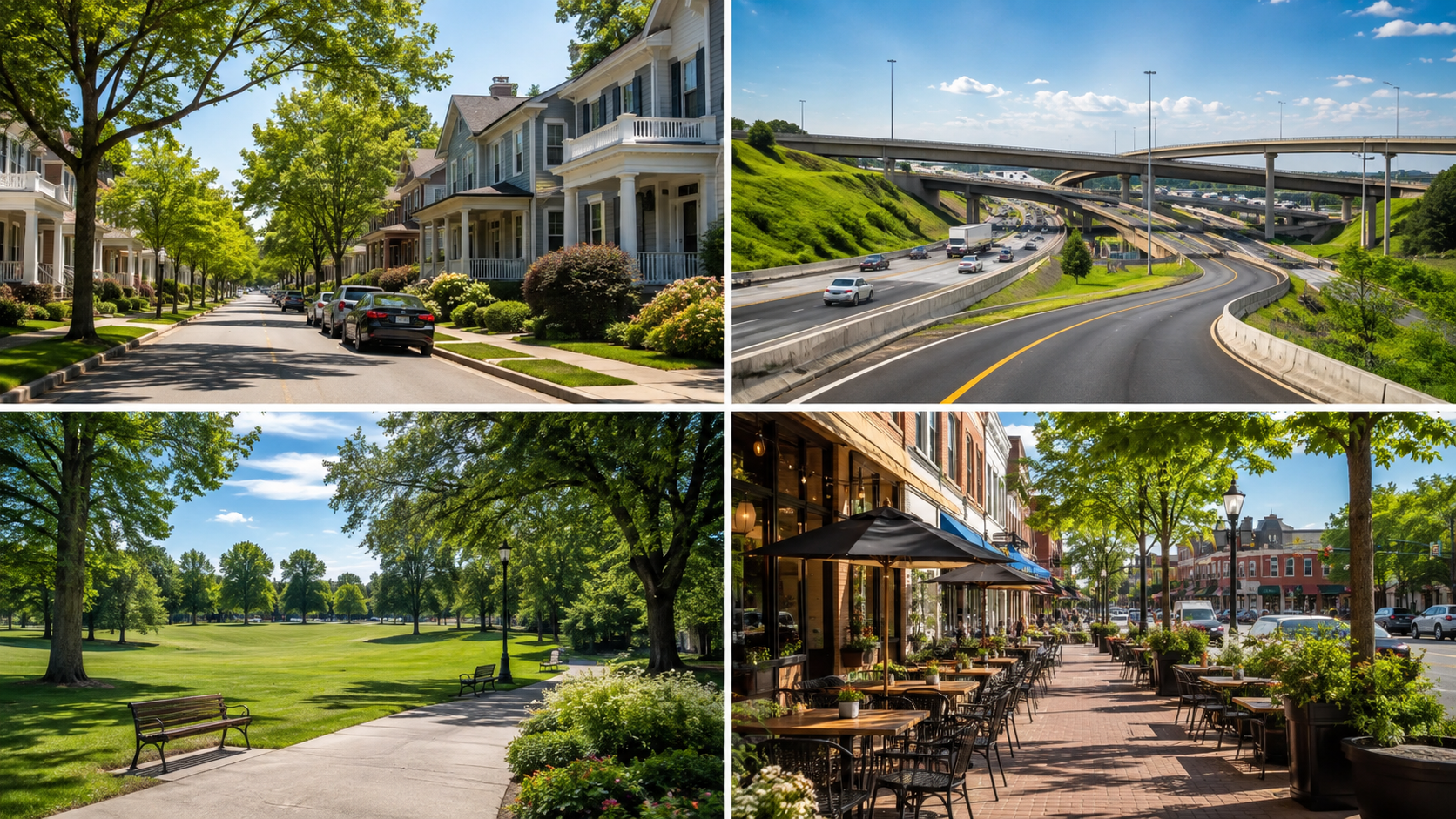
Most buyers should compare at least six factors:
- Commute time: Consider your normal work schedule, not only mileage on a map.
- Housing cost: Review the purchase price, taxes, insurance, association fees, maintenance, and utilities.
- Property type: Decide whether you prefer a condominium, townhome, row home, detached house, or rental.
- Daily convenience: Note access to groceries, dining, recreation, medical services, and major routes.
- Homeownership horizon: Consider whether the property could still serve you after a job change, relationship change, or need for additional space.
- Resale position: Look at condition, parking, layout, location, and competing housing supply.
A neighborhood can have excellent restaurants and still be wrong for your routine. A larger home can appear financially attractive and still create a commute you resent six months later.
The strongest decision is the one that accounts for your whole life, not one appealing feature.
Downtown Allentown may suit buyers who value employment access, apartment or condominium living, entertainment, and proximity to major regional routes.
The city continues to plan for downtown land use, transportation, infrastructure, parks, and urban development. Allentown also adopted a comprehensive recreation and park plan in February 2026, reflecting continued attention to public spaces and recreation.
Depending on the specific block and property, buyers may find:
- Apartments and condominiums
- Historic row homes
- Converted commercial or industrial buildings
- Nearby dining and entertainment
- Access to regional employers
- Connections to Route 22, Interstate 78, and Route 309
Downtown ownership requires careful review. Parking arrangements, association rules, monthly fees, building reserves, noise patterns, and property management can differ considerably between buildings.
Ask for the condominium documents early. Review the association budget, insurance responsibilities, pending assessments, rental limits, maintenance history, and reserve funding before your inspection period expires.
Downtown Allentown should not be selected simply because it feels active during an evening visit. Visit during weekday mornings, evenings, and weekends. Test your commute. Check parking availability. Measure how the location performs during your real routine.
Bethlehem attracts buyers seeking historic architecture, cultural attractions, restaurants, employment access, and two distinct downtown areas.
The city is home to Lehigh University, health care employers, educational services, entertainment, and the historic Moravian district. Bethlehem’s Moravian Church Settlements received UNESCO World Heritage recognition, adding another significant cultural marker to the city.
Downtown Bethlehem and the SouthSide offer different housing and lifestyle patterns.
Downtown and North Bethlehem
Buyers may encounter:
- Historic single homes and twins
- Row homes
- Condominiums
- Residential streets near commercial areas
- Access to Main Street shops and restaurants
- Properties with older architectural details
Historic homes can offer strong character, but age demands disciplined due diligence. Inspect roofing, masonry, electrical systems, plumbing, windows, drainage, heating systems, and prior renovations.
SouthSide Bethlehem
The SouthSide may appeal to buyers who want access to restaurants, arts venues, Lehigh University, and former industrial areas that have taken on new uses.
Housing may include:
- Row homes
- Twins
- Apartments
- Mixed-use properties
- Renovated older homes
- Newer residential construction in select sections
Bethlehem can serve a buyer who wants activity nearby without committing to a much larger metropolitan area. Yet the right property still depends on taxes, condition, parking, commute time, and ownership costs.
Choose the home and street based on facts, not the reputation of a broad city label.
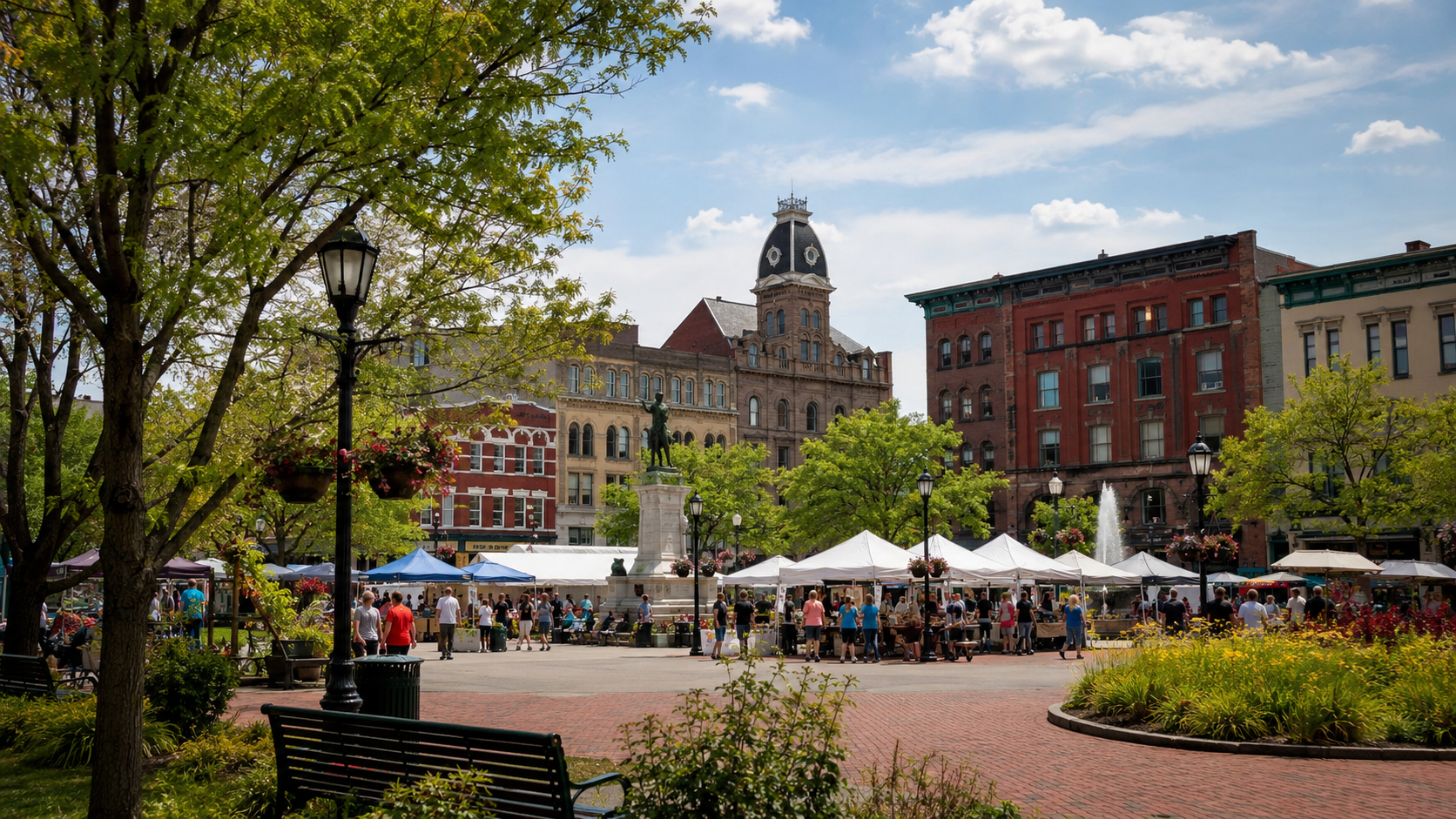
Downtown Easton may fit buyers who appreciate historic buildings, independent restaurants, public events, river access, and a compact downtown setting.
Easton’s downtown includes more than 50 eateries, year-round festivals, the State Theatre, the Easton Farmers’ Market, and riverfront attractions. The city also operates an outdoor dining program that extends restaurant seating into approved public areas during the warmer months.
The wider downtown area includes:
- Apartments and condominiums
- Historic row homes
- Mixed-use buildings
- Renovated residential properties
- Access to markets, dining, trails, and arts venues
- Connections to Interstate 78 and Route 22
Easton’s location can also be relevant for buyers whose work takes them toward New Jersey. That does not mean every Easton address produces the same commute. Bridge traffic, parking, departure time, and the location of your employer can materially change the drive.
Test the route during your actual commuting hours. A weekend estimate is not a reliable substitute for a Tuesday morning drive.
Buyers considering older downtown properties should also review flood maps, water management, insurance requirements, property condition, and municipal records when relevant to the address.
West End Allentown can be a sound option for buyers seeking established residential streets, traditional architecture, nearby parks, and access to city amenities.
The 18104 ZIP code, which covers parts of Allentown and several neighboring municipalities, includes older homes, newer suburban housing, Trexler Memorial Park, the Malcolm Gross Rose Garden, colleges, and regional attractions. It was ranked among Realtor.com’s top 50 hot ZIP codes in 2025, indicating notable buyer demand at that time.
Housing in and around the West End may include:
- Brick twins
- Detached homes
- Tudor, colonial, and ranch designs
- Smaller multifamily properties
- Homes with yards, garages, or porches
- Properties requiring varied levels of updating
This area can work for someone who wants a residential setting while remaining close to Allentown employment, dining, recreation, and major roads.
The age and construction quality of the home deserve close study. Original hardwood, masonry, millwork, and mature landscaping can have lasting appeal. Older wiring, aging roofs, deferred masonry repairs, sewer concerns, or outdated heating systems may require capital.
A lower asking price does not always mean a lower total cost. Compare the purchase price with the expected cost of repairs over the first five years.
Emmaus may suit buyers who prefer a borough setting with local businesses, community events, residential neighborhoods, and access to the Allentown area.
The housing stock includes older single homes, twins, townhomes, apartments, and properties built during several different periods. Certain locations provide access to Route 100, Interstate 78, and nearby employment areas.
Emmaus can be worth considering when your priorities include:
- A defined borough center
- Local shops and restaurants
- Access to parks and recreation
- Detached or attached housing choices
- Proximity to Allentown and western Lehigh County
- A more residential daily setting
The phrase “small town” can hide meaningful differences between properties. One home may be near the commercial center. Another may depend on driving for most errands. One may include off-street parking. Another may not.
Review the property itself, its tax profile, traffic pattern, condition, and access to the routes you use most.
Buyers should consider communities beyond the three cities when they want different property types, lot sizes, tax structures, or commuting patterns.
Depending on budget and inventory, your comparison may include:
- Northampton: Traditional borough housing, nearby retail, and access to Route 329 and surrounding employment areas.
- Whitehall Township: Condominiums, townhomes, single homes, shopping access, and connections to Route 22.
- Catasauqua and North Catasauqua: Older residential housing, borough settings, and access to the Allentown and Bethlehem areas.
- Nazareth: A borough center, established neighborhoods, and access to Route 33.
- Lower Macungie and Macungie: Townhomes, condominiums, planned communities, and single homes near western Lehigh County employment corridors.
- Bethlehem Township: Townhomes, condominiums, single homes, and access to Routes 22, 33, and Interstate 78.
- Palmer Township: Residential subdivisions, townhomes, retail access, and proximity to Easton and Route 33.
These are not rankings. Each area contains different property types, price points, traffic patterns, and municipal costs.
Your workplace may also change. Lehigh Valley supports employment across health care, education, manufacturing, logistics, professional services, food production, and technology. The region is within reach of Philadelphia and New York markets, but commuting time varies widely by route, schedule, and destination.
A property that keeps several employment corridors accessible may provide useful flexibility.
Use a repeatable process that separates emotion from evidence.
1. Set the full monthly housing limit
Include:
- Principal and interest
- Property taxes
- Homeowners insurance
- Mortgage insurance, when applicable
- Association fees
- Utilities
- Maintenance reserves
- Parking costs
- Commuting costs
A lender’s approval amount is not the same as your preferred monthly payment.
2. Identify three non-negotiable needs
Examples may include:
- Maximum commute time
- Off-street parking
- Home office space
- Low exterior maintenance
- A first-floor bedroom or bath
- Access to a major highway
- Outdoor space
- Storage
Keep the list short. When everything is essential, comparison becomes difficult.
3. Tour more than one housing type
A condominium may reduce exterior upkeep but carry monthly fees and rules. A row home may offer historic detail but limited parking. A detached house may provide additional space but require more maintenance.
Seeing the differences in person often changes a buyer’s priorities.
4. Visit each location at different times
Evaluate:
- Traffic
- Street parking
- Noise
- Lighting
- Access to stores and services
- Your actual commute
- Weekend activity
- Property maintenance nearby
Avoid relying on a single showing appointment.
5. Review the property’s long-term usefulness
Ask whether the home could support:
- Remote work
- A new employer
- A partner or roommate
- Additional storage needs
- Reduced mobility
- Future resale or rental plans, subject to local rules
You do not need to predict every life change. You should avoid buying a property that only works under one narrow set of circumstances.
Renting may make sense when you expect to relocate soon, need time to learn the region, or do not yet have sufficient funds for closing costs and repairs.
Buying may be worth evaluating when you have stable income, sufficient reserves, a longer ownership horizon, and a clear understanding of the total monthly obligation.
The decision should not be based on the belief that renting is always wasteful or that purchasing is always the smarter investment. Homeownership includes transaction costs, maintenance, insurance, taxes, and market risk.
A practical rent-versus-buy review should consider:
- Expected years in the property
- Available cash after closing
- Monthly payment difference
- Maintenance exposure
- Career stability
- Interest rate and financing terms
- Potential resale costs
- Personal preference for control and flexibility
The right housing decision protects both your current life and your future options.
Online listings can show you room dimensions, photographs, and asking prices. They cannot fully explain construction quality, resale concerns, municipal differences, renovation risk, or how one property compares with another after the visible finishes are removed from the equation.
Tim Tepes has served real estate clients in Lehigh, Northampton, and Carbon counties since 1990 and has closed more than 2,000 properties. His background includes business management, architecture, brokerage leadership, negotiation, property management, construction, and settlement services.
That experience is especially valuable when comparing homes that differ in age, materials, location, and future repair needs.
Tim’s role is not to select a community for you. His role is to help you assess objective property and location factors so you can make an informed choice based on your own priorities.
You receive clear guidance concerning:
- Pricing and comparable sales
- Property condition
- Construction and architectural details
- Taxes and ownership costs
- Contract terms
- Inspection findings
- Negotiation strategy
- Resale considerations
The goal is not simply to find a property you like during a showing.
The goal is to purchase with clarity, sound information, and confidence in the decision.
You do not need to start with a perfect neighborhood name. Start with your work location, budget, preferred property type, daily priorities, and long-term plans.
From there, we can compare real properties across Lehigh Valley and identify which options make financial and practical sense.
Contact Tim Tepes for expert advice and a clear home-buying strategy.
Call or text: 484-275-0056 / 610-882-3135
Email: [email protected]
Nobody Knows Homes Better. Better Service. Better Results. Call TTT Tim Tepes Today. Expect Better.
What are the best neighborhoods for young professionals in Lehigh Valley?
Downtown Allentown, Bethlehem, Easton, West End Allentown, Emmaus, and nearby boroughs and townships are common areas to compare. The best fit depends on budget, commute, housing type, maintenance preferences, and long-term plans.
Is Bethlehem or Allentown better for young professionals?
Neither city is automatically better. Bethlehem may appeal to buyers seeking historic districts, university access, and two downtown areas. Allentown may suit buyers seeking access to major employers, city amenities, parks, and a broader range of urban housing. Compare specific properties rather than broad city labels.
Is Easton a practical choice for commuting to New Jersey?
Easton may provide useful access to New Jersey, Interstate 78, Route 22, and Route 33. Actual commute time depends on your destination, bridge traffic, departure time, and parking.
What should first-time buyers know about older Lehigh Valley homes?
Older homes may have masonry, hardwood floors, millwork, and architectural detail. Buyers should carefully inspect roofing, electrical service, plumbing, heating, drainage, foundations, windows, sewer lines, and prior renovations.
Are condominiums a good choice for busy professionals?
A condominium may reduce exterior maintenance, but buyers should examine association fees, rules, insurance, reserves, pending assessments, rental limits, parking, and building management before purchasing.
How much money should I keep after buying a home?
The appropriate reserve depends on the property, income stability, and expected repairs. Avoid using every available dollar for the down payment and closing. A home inspection and repair forecast can help establish a reasonable reserve.
How can I compare neighborhoods without violating Fair Housing principles?
Focus on objective factors such as housing cost, property type, commute, taxes, public amenities, transportation, and proximity to services. Buyers should make their own location decisions based on personal needs and independently researched information.
Check out this article next