



Most sellers start in the wrong room.
They scrub the basement, repaint a spare bedroom, or spend money on updates that buyers may barely notice. Meanwhile, the front entry, kitchen, lighting, odors, pricing, and first online impression may be doing more to shape the buyer’s decision.
Preparing your house before selling is not about making it perfect. It is about helping the right buyer feel clear, comfortable, and confident the moment they see it.
For homeowners in Allentown, Bethlehem, Northampton, Emmaus, Nazareth, Whitehall Township, Parkland, Catasauqua, Saucon Valley, and nearby Lehigh Valley areas, the best pre-listing plan starts with strategy. Tim Tepes serves these local markets and brings decades of real estate experience, local knowledge, and seller-focused guidance to the process.
Key takeaway: A prepared home does not just look better. It feels easier for buyers to trust.
The first thing you should do before selling your house is schedule a pre-listing consultation. This helps you understand your home’s condition, market position, likely buyer expectations, and the updates that may actually matter.
Many sellers believe they need to fix everything before calling an agent. That belief can waste time and money.
A smart first step gives you answers to questions like:
- What should I repair before listing?
- What should I leave alone?
- Which updates may help buyer interest?
- What price range makes sense?
- How does my home compare with nearby listings?
- What could come up during inspection?
A pre-listing consultation gives you a clear plan before emotions, deadlines, and buyer feedback start shaping the process.
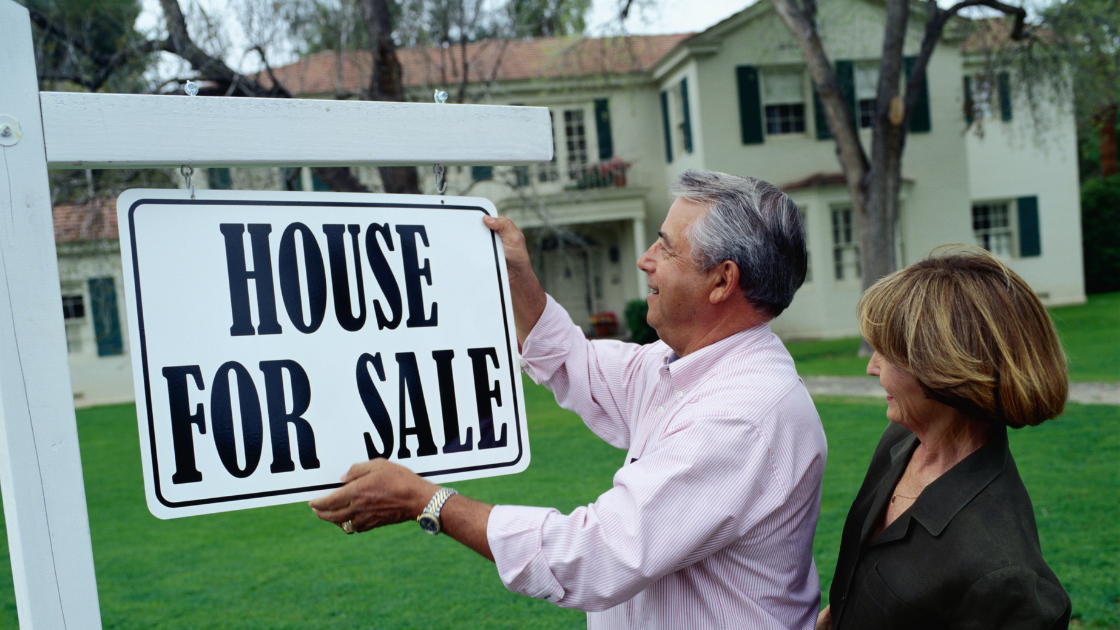
Preparation matters because buyers make fast decisions. They look at photos, scan room condition, notice odors, judge lighting, and compare your home to others in the same price range.
A buyer may not say it out loud, but they are thinking:
- “Does this home feel cared for?”
- “Will I need to spend money right away?”
- “Can I picture my furniture here?”
- “Is the price fair for the condition?”
- “Do I feel confident enough to make an offer?”
That is why home preparation is not just cleaning. It is positioning.
When your house feels clean, open, repaired, and well-presented, buyers can focus on value. When it feels unfinished or cluttered, they often focus on risk.
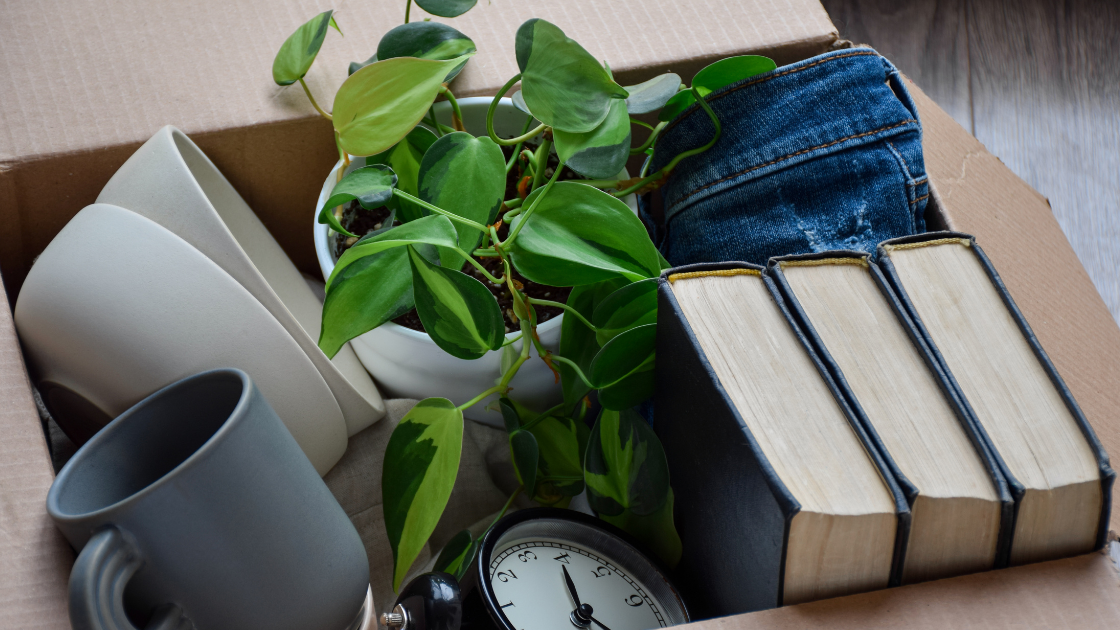
Decluttering before selling means removing extra items so buyers can see the home clearly. The goal is to make each space feel open, useful, and easy to understand.
Start with the places buyers notice first:
- Front entry
- Kitchen counters
- Bathroom vanities
- Living room surfaces
- Bedroom closets
- Basement storage areas
- Garage
- Patio, porch, or deck
You do not need to remove every personal item. You just want to reduce distractions.
Here is a simple rule: If it does not help the room feel larger, cleaner, or more useful, pack it early.
This also helps you get ahead of moving. You are not just preparing the house. You are preparing yourself for the next step.
Before listing, you should repair items that affect safety, function, buyer confidence, or visible condition. Small issues can make buyers wonder what larger issues may exist.
Good pre-listing repair items may include:
- Leaky faucets
- Loose railings
- Damaged drywall
- Sticking doors
- Cracked windows
- Missing outlet covers
- Broken light fixtures
- Worn caulking
- Loose cabinet hardware
- HVAC service needs
- Plumbing concerns
- Roof or gutter issues
Not every repair will bring a dollar-for-dollar return. Still, some repairs reduce friction. They help buyers feel more comfortable making an offer and moving through inspections.
Key takeaway: Fix what creates doubt. Do not guess on big projects without expert advice.
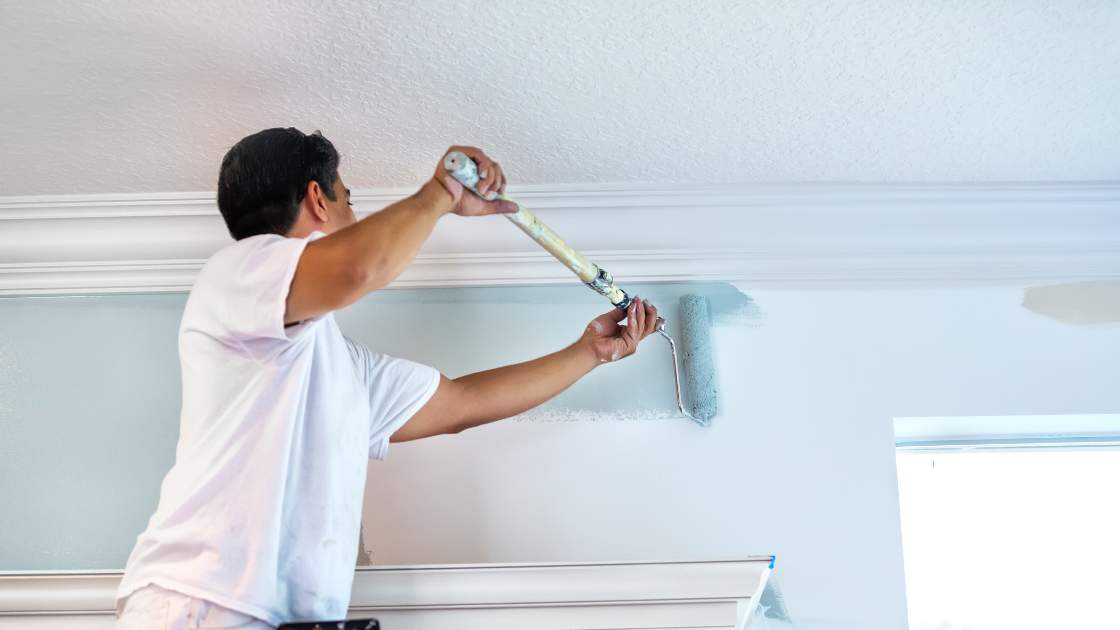
Painting can be a smart move before selling if walls are scuffed, dark, heavily personalized, or uneven from room to room. Fresh neutral paint can make a home feel cleaner, brighter, and better cared for.
Paint often helps most in:
- Main living areas
- Hallways
- Kitchens
- Bathrooms
- Bedrooms
- Entry areas
- Trim and doors
Choose simple, buyer-friendly colors. This is not the time to make bold design statements. The goal is to help buyers see the space, not the paint.
Fresh paint sends a quiet message: this home has been looked after.
Your house should be deeply cleaned before photos and showings. Buyers notice more than sellers expect, especially in kitchens, bathrooms, windows, floors, and corners.
Focus on:
- Baseboards
- Light switches
- Door handles
- Windows
- Window tracks
- Appliances
- Cabinet fronts
- Sinks and faucets
- Shower glass
- Bathroom grout
- Floors
- Closets
- Utility areas
Odor matters too. Heavy air fresheners can make buyers wonder what is being covered up. A clean home should smell fresh, simple, and neutral.
A spotless home makes buyers feel like they are walking into a property that has been respected.
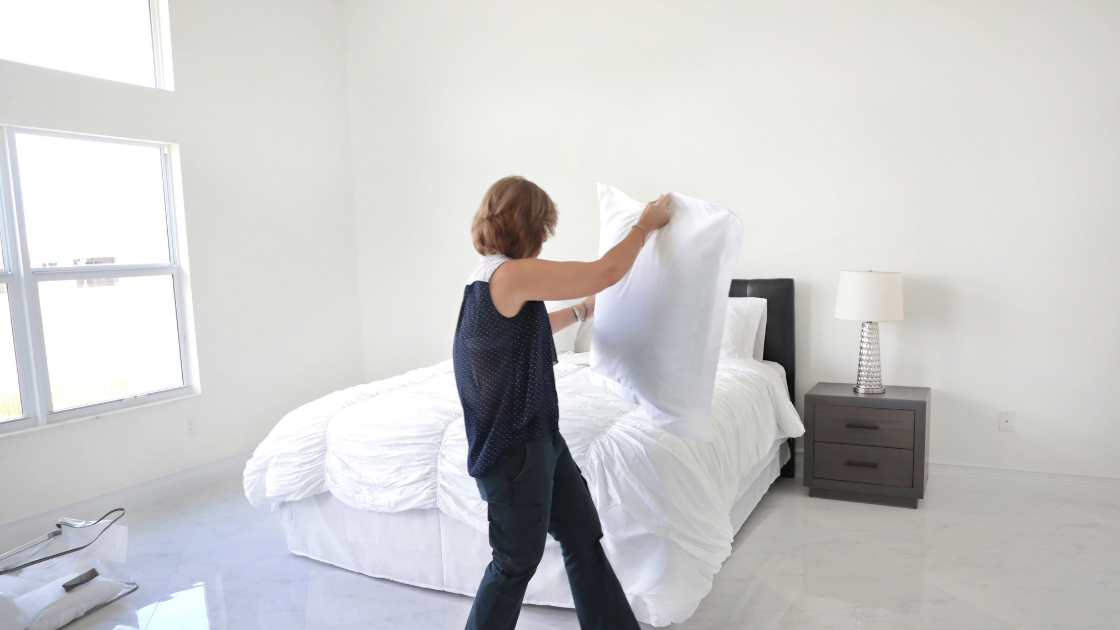
Staging helps buyers understand how rooms can be used. It is not about expensive furniture or making the home look like a magazine. It is about clarity.
Good staging can help show:
- How furniture fits
- Where people gather
- How natural light works
- Which rooms have flexible use
- How storage functions
- How outdoor areas can be enjoyed
For occupied homes, staging may simply mean editing furniture, adjusting layout, and removing extra items. For vacant homes, a few staged spaces can help buyers understand scale and purpose.
Key takeaway: Staging is not decoration. It is a selling tool.
Before selling, the exterior should look clean, cared for, and easy to maintain. The outside sets the buyer’s expectations before they walk through the door.
Start with simple exterior tasks:
- Cut and edge the lawn
- Trim shrubs
- Clear leaves and debris
- Clean walkways
- Wash siding where needed
- Clean or paint the front door
- Replace worn house numbers
- Make sure exterior lights work
- Clean patio or deck areas
- Remove unused outdoor items
Curb appeal does not need to be expensive. It needs to be neat, clear, and welcoming.
Buyers often decide how they feel about a home before the key turns in the lock.
Before listing, gather documents that help answer buyer questions and support a smoother sale.
Helpful documents may include:
- Utility costs
- Age of roof
- HVAC service records
- Appliance information
- Warranties
- HOA or condo documents, if needed
- Renovation records
- Permits, if available
- Property tax information
- Survey, if available
- Rental records for investment property
This matters because prepared sellers look more credible. When questions come up, you are not scrambling. You are ready.
For investors or 1031 Exchange sellers, records can be especially important because timing, income, expenses, and property details may affect the sale plan.
After preparing your home, pricing should be based on current market data, condition, location, buyer demand, and recent comparable sales. Preparation may improve buyer response, but price still needs to match the market.
A strong pricing review should look at:
- Recent sold homes
- Active competition
- Pending sales where available
- Days on market
- Home condition
- Layout and lot features
- Updates
- Local demand
- Inspection and appraisal risk
Overpricing can cause your home to sit. Underpricing without a plan can cost you equity. The right price should create attention, trust, and action.
This is where local experience matters. Tim Tepes is a Pennsylvania real estate professional with Better Homes and Gardens Real Estate Cassidon Realty, serving sellers with direct advice, market knowledge, and clear communication.
The best checklist to prepare your house before selling is simple, ordered, and practical.
Use this step-by-step plan:
- Book a pre-listing consultation
Get expert eyes on the home before spending money. - Review your local market position
Understand how your home compares with nearby properties. - Declutter every main space
Open up rooms so buyers can see size and function. - Complete smart repairs
Fix items that affect trust, safety, or daily use. - Deep clean the home
Make kitchens, bathrooms, floors, windows, and storage areas shine. - Refresh paint where needed
Use clean, neutral colors that work for many buyers. - Improve curb appeal
Make the first impression clean and cared for. - Stage with purpose
Show buyers how each room works. - Gather key documents
Prepare records before buyers ask.
Plan pricing and marketing
Launch with strong photos, smart pricing, and clear market strategy.
The biggest mistake sellers make is preparing without a plan.
They guess. They overspend. They wait too long. They listen to too many opinions. Then they enter the market hoping buyers will see the value.
Hope is not a strategy.
The better way is simple: prepare the right things, skip the wrong things, price with care, and market the home with confidence.
Selling your home can feel personal because it is personal. Maybe this is the home where life changed, where plans shifted, where years passed faster than expected. Maybe you are moving up, downsizing, selling an investment, or making a clean start.
Now picture this instead.
The house is clean. The repairs are handled. The photos look strong. Buyers understand the value. Showings feel serious. Offers are not built on confusion, but confidence.
That is what preparation can do.
Before you spend money on repairs, paint, staging, or updates, get clear advice from someone who knows the local market and understands how buyers think.
Contact Tim Tepes for expert advice before you list your home.
Tim Tepes
Better Homes and Gardens Real Estate Cassidon Realty
Phone: (484) 275-0056
Email: [email protected]
Website: www.timtepes.com
Call TTT Tim Tepes Today. Better Service. Better Results. Expect Better.
How early should I prepare my house before selling?
Start 30 to 90 days before listing if possible. This gives you time to clean, repair, declutter, gather documents, and make smart choices without feeling rushed.
Do I need to renovate before selling my home?
Not always. Many sellers do better with cleaning, repairs, paint, staging, and strong pricing instead of major renovations. Get advice before spending on big updates.
What should I not fix before selling?
Avoid costly projects that may not appeal to most buyers or may not return enough value. Examples can include highly personal upgrades, luxury finishes in the wrong price range, or full remodels without a pricing plan.
Is staging worth it before selling?
Yes, staging can help buyers understand space, layout, and room purpose. It does not always require renting furniture. Sometimes it means removing, rearranging, and simplifying what you already have.
What adds the most buyer confidence before a home sale?
Cleanliness, completed repairs, neutral presentation, working systems, clear documents, and fair pricing all help buyers feel more confident.
Who can help me prepare my house before selling in the Lehigh Valley?
Tim Tepes can help you review your home, decide what matters before listing, and create a clear plan for selling in the Lehigh Valley market.
Check out this article next